SEO·Besiders, since 2002
Technical SEO Services That Fix the Foundations
Our technical SEO services are for sites where good content is not ranking because search engines struggle to crawl, render or understand it. We fix the underlying issues in the code and server setup, not just in the report.
What our technical SEO covers
Crawling and indexing
Robots rules, sitemaps, canonicals and internal links set up so Google spends its time on the pages that matter.
Speed and Core Web Vitals
Diagnosing slow templates, heavy scripts and image issues, then fixing them in the theme or framework.
JavaScript rendering
Making sure content loaded by scripts is actually visible to search engines.
Structured data
Schema markup for organisations, products, services, articles and FAQs, validated and kept consistent.
Site migrations
Redirect mapping, pre-launch checks and post-launch monitoring when you change platform, domain or structure.
Technical SEO is a development job, not a plugin setting
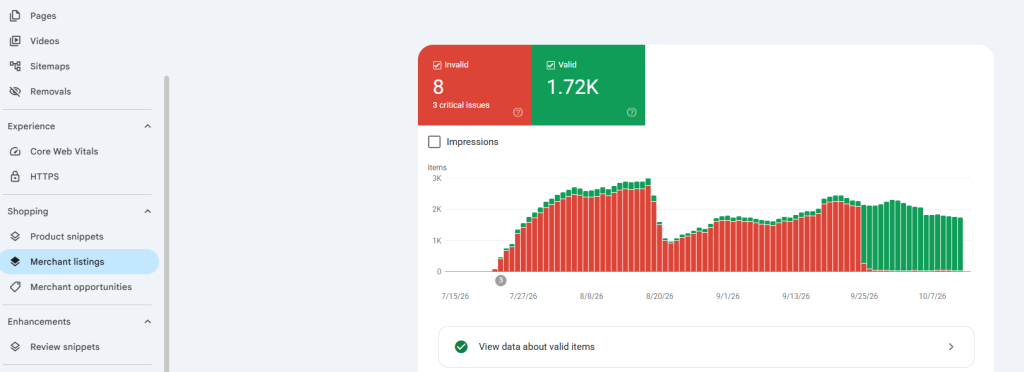
Many sites treat technical SEO as something a plugin handles. Plugins help with basics like sitemaps and meta tags, but they do not fix a slow theme, a faceted navigation that creates thousands of duplicate URLs, or a JavaScript framework that hides content from crawlers. Those problems live in the code, and they need someone who can read and change it.
Because we build websites ourselves, on many platforms and custom stacks, our technical SEO recommendations come with the actual fix. That matters. An instruction like "reduce render-blocking resources" means little to a busy team. A specific change to a specific template, tested on staging, gets done. It also means we can judge trade-offs properly. Sometimes the right answer is a small change to how a theme loads scripts. Sometimes it is a rebuild of one template. We tell you which, and why.
The highest-risk moment for technical SEO is a redesign or migration. Old URLs disappear, redirects get missed and rankings built over years can drop quickly. We get involved before launch, map every important URL, and monitor Google Search Console closely afterwards so problems are caught while they are still small. Most migration damage is avoidable. It happens when SEO is invited in the week before launch, after URLs, templates and content decisions are already fixed and expensive to change.
How we handle technical SEO
Crawl
We crawl the site the way a search engine does and compare it with indexing data in Google Search Console.
Diagnose
Each issue is traced to its cause in the template, server or configuration, not just listed.
Fix
Changes are made by our developers or specified precisely for yours, then tested before release.
Monitor
We watch indexing, errors and speed after each release so regressions are caught early.
Why Besiders for technical SEO
Developers in-house
Our own team designs and builds websites, so technical SEO fixes do not stall waiting for someone else.
Multilingual setups
We regularly handle Arabic, English and French sites, including right-to-left layouts and hreflang.
Careful with migrations
We plan redesigns and platform changes with search visibility in mind from the first meeting.
Frequently asked questions
What is technical SEO?
Technical SEO covers everything that helps search engines crawl, render, index and understand your website. That includes site speed, structure, internal linking, structured data and server configuration. Without it, strong content can struggle to rank.
Do Core Web Vitals affect rankings?
They are one of many signals Google uses, so they rarely decide rankings on their own. They do affect user experience and conversions directly, which makes them worth fixing for business reasons as well as SEO.
Can you do technical SEO on any website platform?
Yes. We work on any platform, including WordPress, WooCommerce, Shopify and custom builds. Each platform has its own common issues, and we know where to look on each.
How do I keep my rankings during a website migration?
Map every important old URL to its new equivalent, set up permanent redirects, and keep content and internal links consistent. Test on staging before launch and monitor Google Search Console closely afterwards. Bringing an SEO specialist in early prevents most problems.
What is structured data and do I need it?
Structured data is code that tells search engines what a page is about, such as a product, a service or an organisation. It can make pages eligible for rich results and helps AI search tools understand your business. Most commercial sites benefit from it.